 Canada
 Australia

 03 9824 8001
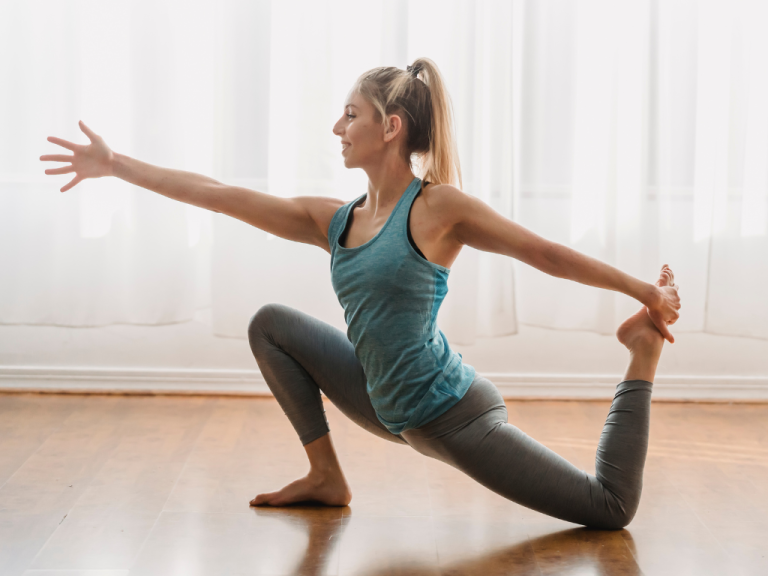
Flexibility is a performance metric that can often be neglected as we focus on getting stronger, building speed, or increasing endurance. While you don’t need to be able to twist and fold your body like a contortionist, a good amount of flexibility is necessary for athletic performance, injury prevention, and carrying out everyday activities with ease. Regular stretches are the best way to build flexibility, and, after a few weeks of persistent effort, you’ll start to see and feel a difference in your range of motion.
Why is Flexibility Important for Athletes?
Flexibility is absolutely crucial for performing at your best in all kinds of sports, not just for dancers and gymnasts; golfers, footballers, swimmers, soccer players, boxers and athletes of all types benefit from building flexibility. The benefits of building flexibility include:
- Reduced risk of muscle and joint injuries, such as muscle pulls, joint dislocation, knee pain, back pain, and bursitis.
- Increased speed, power, and agility.
- Quicker recovery after a game or intense exercise.
- Maintaining proper form to prevent injuries and increase efficiency by executing movements while using the least amount of energy.
How to Build Flexibility by Stretching
1. Target All Major Muscle Groups With a Variety of Stretches
Inflexibility can result in muscle imbalance, causing overcompensation by some muscles and usually resulting in pains and aches. Targeting only certain muscles when stretching can also cause an imbalance.
To develop good overall flexibility, choose stretches that target all major muscle groups. You can have a routine where you target 1-2 muscle groups per session.
For example, you can start with the upper body where you do head and shoulder stretching exercises. The next day, move down to your arms and back with exercises like forearm stretches, cat-cow stretches, and overhead stretches.
Have another day to focus on hip mobility to target hip flexors and rotators. Finish by improving flexibility in your legs with hamstring stretches, calf raises and other stretches.
2. Combine Dynamic and Static Stretches
There are two main types of stretches: static and dynamic.
In a static stretch, you hold a stationary position for a number of seconds. A good example is bending and touching your toes for 30 seconds. The goal is to push a muscle to its furthest point and hold it there.
Static stretching is best done as a cool-down after exercise to improve flexibility, reduce soreness, and quicken recovery.
Dynamic stretching is any stretching that’s done through controlled movements. Some good examples are leg swings, arm circles, and walking lunges.
Dynamic stretches are best done before exercise to warm up the body, loosen muscles and joints, and boost blood flow.
Tip: If you’re doing a stretching-only session (as opposed to pre or post-exercise stretching), start with dynamic stretching to warm up, then switch to static stretching.
3. Get The Intensity and Time Right for an Effective Stretch
To get the most out of each static stretch, it’s important to get the intensity and timing right. It’s a balance between pushing your body to its limit, and not going too far to the point of injury.
For intensity, stretch a particular muscle until you start to feel a tightness or some discomfort. You should not feel pain; if you do, pull back until you only feel tolerable discomfort. For timing, hold that position for 15-30 seconds.
As you get more flexible, increase both intensity and time to avoid plateauing.
4. Integrate Breathwork
Breathwork is an important part of stretching and building flexibility.
- It helps your muscles relax, which makes them stretchier and reduces the chance of an injury while you stretch.
- Inhaling and exhaling deeply can help you achieve deeper stretches, making you more flexible.
- Breathwork delivers more oxygen to your muscles, helping them stretch more and tire less.
Good breathwork involves deep and controlled breaths. Breathe in through your nose and into your belly (diaphragmatic breathing), then slowly exhale as you deepen your stretch. Don’t hold your breath at any point.
5. Stretch Frequently
If you want to see and feel noticeable improvements in your flexibility, consistency is key. Stretch at least 2-3 times a week, or daily if you can.
How Ace Sports Clinic Can Help You Build Flexibility
At Ace Sports Clinic Malvern, we’ve worked with elite athletes to increase their flexibility and improve their performance on the field. We can help you, too.
We have a multidisciplinary team of experts in physiotherapy, osteopathy, and exercise physiology who can help you build your flexibility and treat any root problem that might affect your range of motion.
Reach out to us at 03 9824 8001 to get a tailored plan to build your flexibility, and start enjoying more freedom of movement.
Disclaimer: This blog post is for informational purposes only. Consult with a qualified professional for personalised guidance based on your specific needs.